

Nano Banana 2.1
google/nano-banana-2.1Nano Banana 2.1 image generation API by Google — the Gemini Flash image model upgraded for visual design, editing and subject consistency, up to 4K with 14 reference images.
Nano Banana 2.1 Pricing
Runbase bills Nano Banana 2.1 per image, by output resolution — the same price as Nano Banana 2, so upgrading costs nothing extra. No tokens to count, no subscription.
Resolution is the only parameter that changes the price — aspect ratio, reference image count and prompt length do not. Balance is deducted when a run is submitted and refunded automatically if it fails.
- 4K costs $0.09 on Runbase, below Google's Gemini API list price of $0.113 per 4K image.
- Iterate at 1K for $0.04, then re-run the winning prompt at 4K — you only pay the 4K rate on the image you keep.
- Nano Banana 2.1 costs the same as Nano Banana 2 on Runbase at every resolution, so switching is a free upgrade.
What Is New in Nano Banana 2.1
Google released Nano Banana 2.1 on October 6, 2026 as a generally available update to Nano Banana 2 (Gemini 3.1 Flash Image), keeping Flash-level speed. Here is what changed.
Better Visual Design
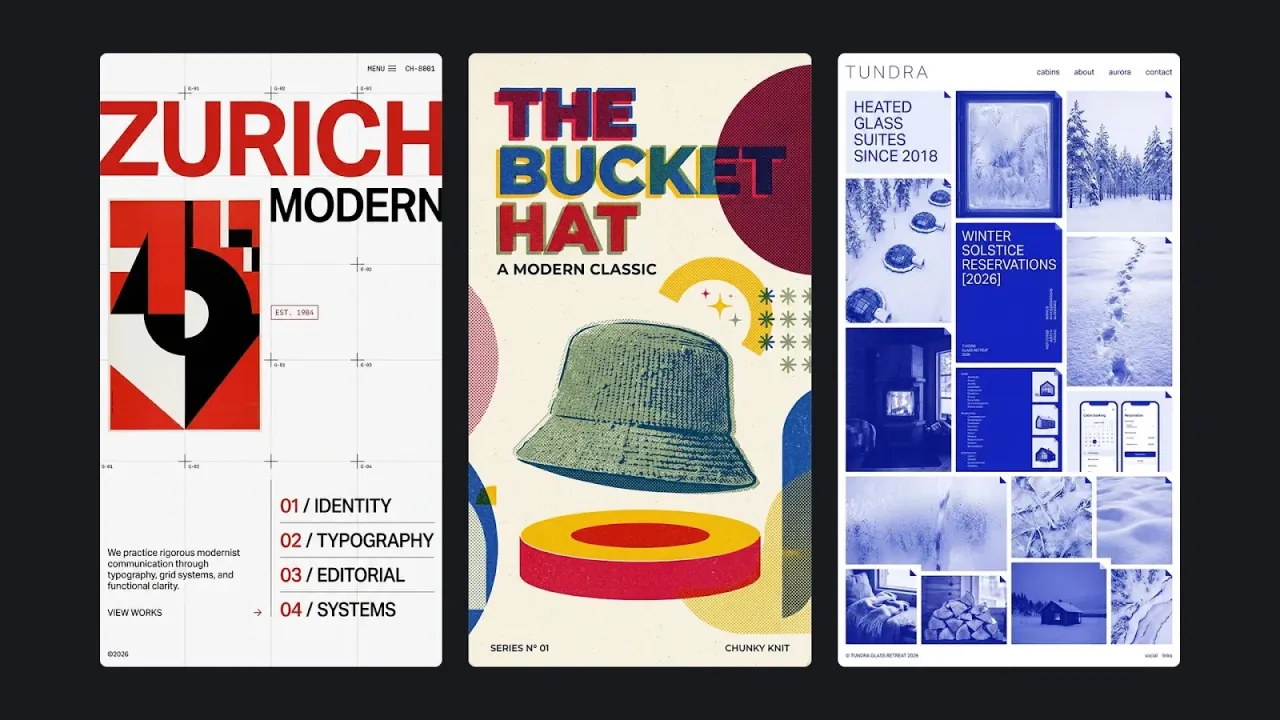
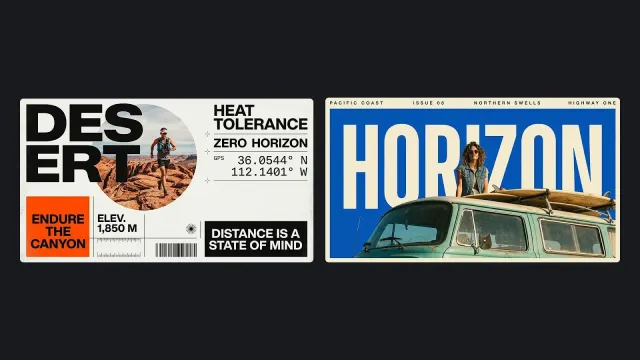
Posters, layouts and graphic assets come out more polished, with stronger composition and typography. Google's model card puts 2.1 ahead of both Nano Banana 2 and Nano Banana Pro in human preference tests.
More Precise Editing
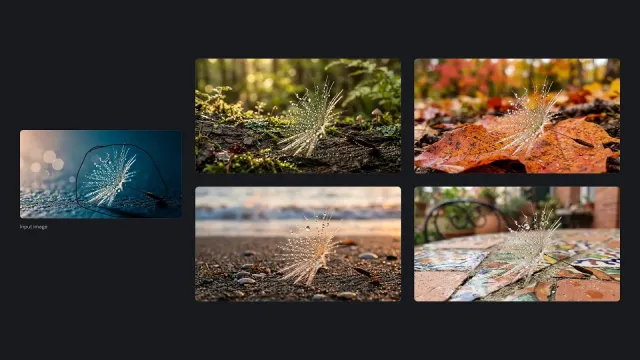
Google highlights mask-based editing: change one region of an image while the rest stays untouched. On Runbase, pass the image as a reference and describe the change in your prompt.
Subject Consistency
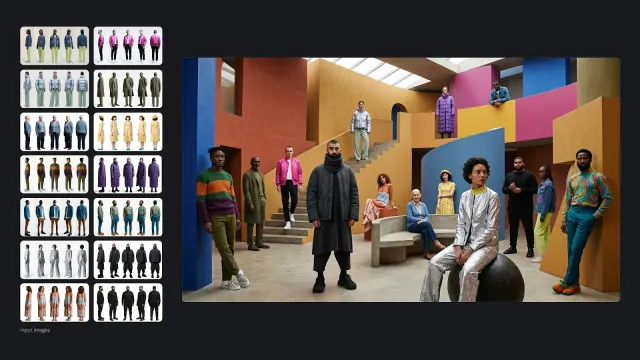
Characters, products and objects keep their look across edits and across a series of images — useful for product sets, mascots and storyboards.
Sharper Text and Visual Quality
Google cites better visual quality, prompt adherence and text rendering, so headlines, labels and infographics come out cleaner.
Up to 4K, 15 Aspect Ratios, 14 References
Through Runbase you choose 1K, 2K or 4K output, an aspect ratio from 1:8 to 8:1 (or auto), and pass up to 14 reference images.
Nano Banana 2.1 Gallery
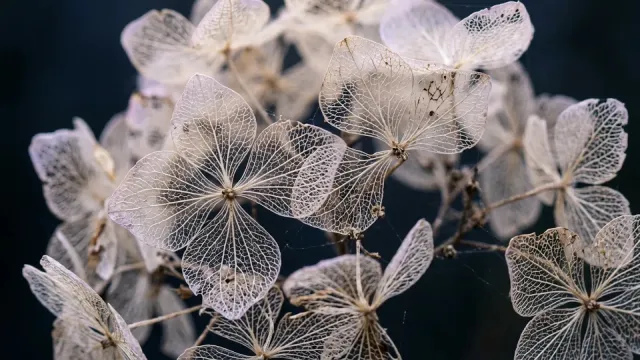
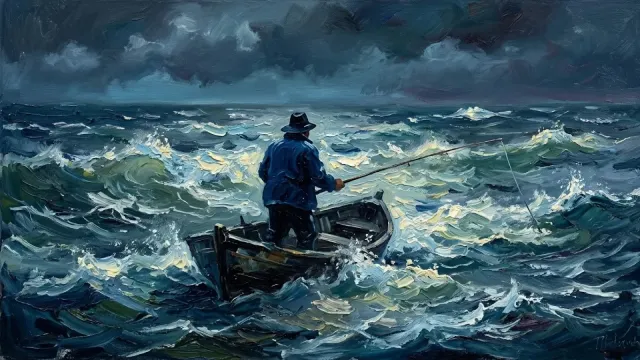
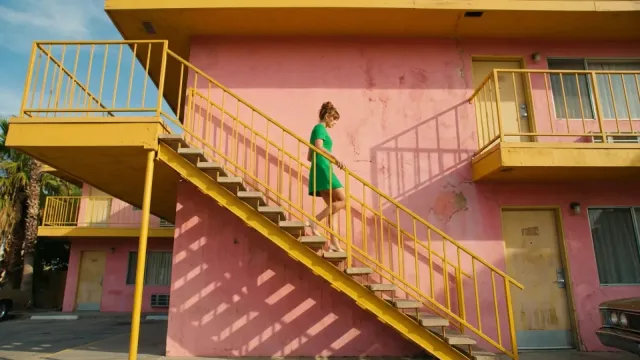
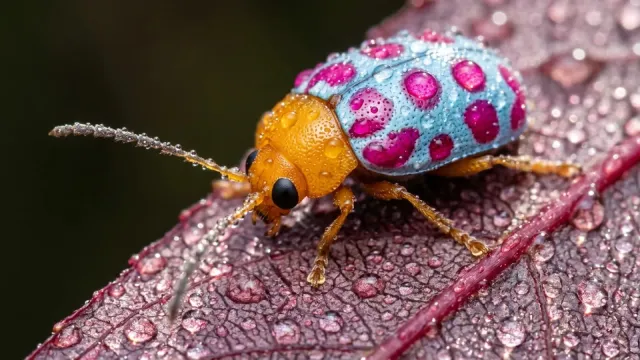
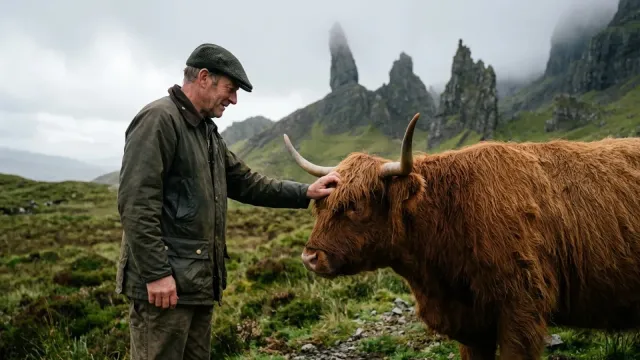
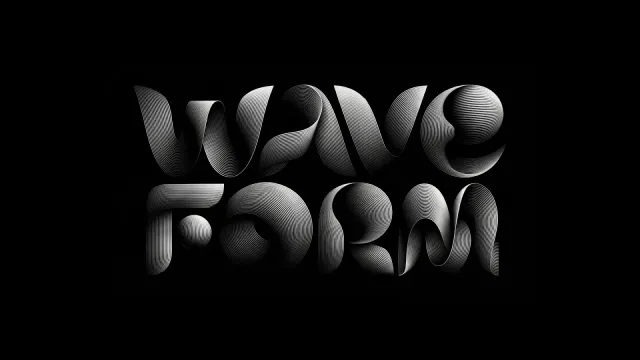
Images from Google DeepMind's Nano Banana 2.1 announcement, showing layout design, editing, subject consistency and photorealism.


Nano Banana 2.1 vs Nano Banana 2 vs Nano Banana Pro
All three Nano Banana models are live on Runbase with the same API. Here is how they compare on price and positioning.
| Model | 1K | 4K | Best For |
|---|---|---|---|
| Nano Banana 2.1 | $0.04 | $0.09 | Default choice — newest model, best quality per dollar |
| Nano Banana 2 | $0.04 | $0.09 | Existing integrations; deprecated by Google |
| Nano Banana Pro | $0.06 | $0.11 | Gemini 3 Pro Image — heavier reasoning for complex scenes |
Runbase per-image prices. Google has deprecated gemini-3.1-flash-image (Nano Banana 2) and recommends migrating to gemini-nano-banana-2.1.
Nano Banana 2.1 use cases
Nano Banana 2.1 is built for fast, high-volume image work where layout, consistency and edits matter.
Posters and marketing layouts
Generate posters, banners and social graphics with clean typography and deliberate composition.
Product imagery at scale
Feed a product photo as reference and place it in new scenes while the product itself stays identical.
Targeted edits
Pass an existing image and describe one change — swap a background, recolor an object, fix a detail — without regenerating the whole frame.
Consistent characters
Keep a person, mascot or cast consistent across storyboards, comics and campaign series using reference images.
How to Use the Nano Banana 2.1 API on Runbase
Nano Banana 2.1 is live on Runbase as google/nano-banana-2.1 and runs on the same async task API as every other model here.
- 1
Create Your Runbase Account
Register or sign in to manage API keys, balance, usage and the models available through Runbase.
- 2
Generate an API Key
Create a key and store it securely. The same key covers every model, async tasks, callbacks and media storage.
- 3
Submit a Generation Task
Send your prompt with aspect_ratio and resolution, plus up to 14 image_urls when you are editing or need consistency. The API returns a task ID right away.
- 4
Collect the Result
Poll the task or register a callback URL, then read the image URLs from the finished task.